Table of Contents
Picture a knight trapped in the middle of the board. It can see eight different squares where it could jump. Every single one of those squares is available. Yet that knight cannot move. Not because the rules forbid it. Not because enemy pieces block its path. But because moving would expose something far more precious behind it.
This is the paradox at the heart of chess immobilization. A piece frozen solid while standing in wide open space. The pin transforms the chessboard from a battlefield of movement into a psychological trap where freedom becomes the cruelest illusion.
The Architecture of Paralysis
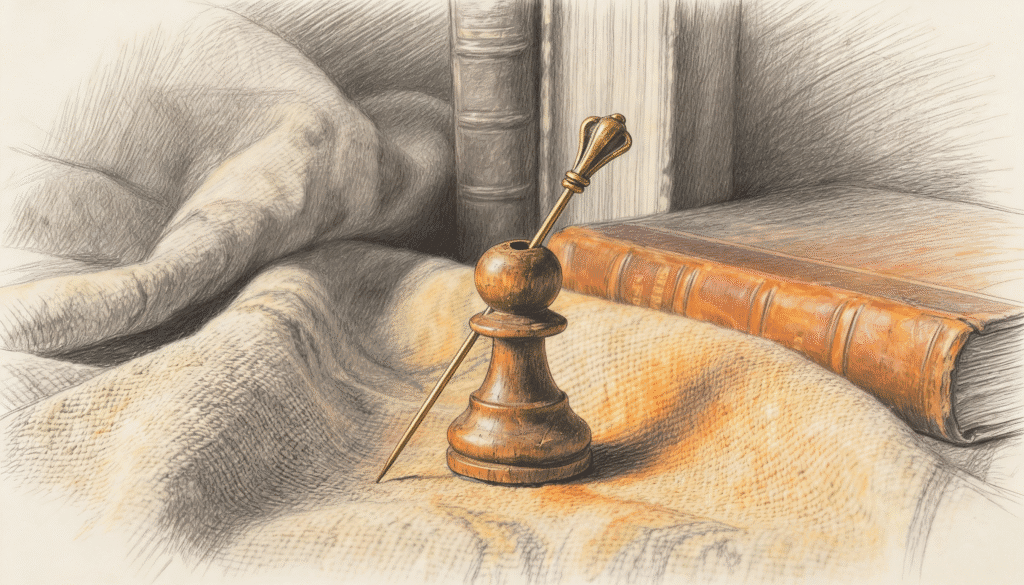
Understanding pins means understanding geometry. Three pieces form the basic structure. The attacker, the prisoner, and the hostage. These three points create a line that becomes a cage. The attacker aims down this line. The prisoner stands on it. The hostage waits behind the prisoner, unable to help.
Long range pieces create these traps. Bishops slice diagonally across the board. Rooks command entire files and ranks. The queen combines both powers. These pieces can reach across multiple squares, creating pins from a distance. They turn empty space into invisible chains.
The beauty of this strategy lies in its simplicity. No complicated patterns or deep calculations. Just three pieces standing in a row. Yet this simple alignment can decide entire games. A single pin at the right moment unravels careful planning.
The Price of Protection
Not all pins carry equal weight. Some pieces get pinned to their king. These prisoners face an absolute law. They simply cannot move. The rules forbid exposing a king to check. These pieces become living shields, forced to absorb attacks while their king sits safely behind them.
Other pins carry a different burden. A knight pinned to a queen can technically move. The rules permit it. But the cost makes movement unthinkable. Trading a knight for a queen means surrendering nine points of material for three. These are called relative pins because the decision rests with the player. Move and lose the queen. Stay put and hope for rescue.
This distinction matters more than players realize. Absolute pins create mathematical certainties. The piece will not move. Period. Relative pins introduce psychology. They force players to weigh immediate freedom against future loss. Sometimes accepting the trade makes sense. A queen for a knight might seem expensive until you realize that knight delivers checkmate.
Creating the Trap
Good pins do not appear by accident. They require setup. The first step involves identifying vulnerable alignments. Look for pieces standing on the same diagonal, file, or rank as their king or queen. These pieces live one move away from paralysis.
The second step means maneuvering your long range pieces into position. This takes planning. Opponents rarely cooperate by leaving their pieces in neat rows. Sometimes you need to create the alignment yourself. Force their piece to a specific square. Push them toward their king. Build the trap square by square.
Timing determines whether a pin succeeds or fails. Launch the attack too early and opponents simply move the hostage piece away. The alignment breaks. The trap collapses. Wait too long and opponents notice the danger. They add defenders or create escape routes. The perfect moment exists when opponents have committed to a plan that requires keeping their pieces exactly where they are.
Development plays a crucial role. Players who rush their long range pieces to the center often create weak pins. These pieces lack support. Opponents can attack them directly, forcing them to retreat. The pin vanishes before it accomplishes anything. Strong pins emerge from fully developed positions where multiple pieces coordinate their pressure.
The Psychology of Immobility
Pinned pieces create mental traps as much as tactical ones. Players hate feeling helpless. A pinned piece represents frozen potential. All that striking power locked away. The urge to free that piece becomes overwhelming. This emotional pressure leads to mistakes.
Strong players exploit this psychological dimension. They pile additional pressure onto pinned pieces. Attack them with pawns. Bring more pieces. Each new threat makes the situation feel more desperate. Opponents scramble to defend a piece that cannot move. Resources pour into protecting something already paralyzed.
Meanwhile, the player creating the pin advances elsewhere. This dual attack pattern appears throughout chess strategy. Fix one area while advancing in another. Pins excel at this because they require no maintenance. Place your bishop on that diagonal and it continues threatening without further attention. Your remaining pieces can pursue different goals.
Breaking the Chains
Every trap has a weakness. Understanding how pins break reveals their true nature. The most direct solution involves removing the attacker. Capture that bishop. Trade for that rook. Eliminate the piece creating the pin and freedom returns instantly. This works best when you can trade equal material or better.
Another approach attacks the attacker. Force it to move or defend itself. A piece that must worry about its own survival cannot maintain a pin. This method requires coordination. You need pieces in position to threaten the attacker. Otherwise opponents simply ignore your threats.
Moving the hostage piece breaks some pins. If a knight gets pinned to your queen, move the queen. The knight regains freedom immediately. This solution works for relative pins but fails against absolute pins. You cannot move your king out of check just to free a pinned piece.
The most sophisticated escape involves blocking. Place another piece between the attacker and the pinned piece. This breaks the line. The geometry collapses. Both pieces can move again. Strong blocks do double duty. They free your piece while also attacking something valuable. The opponent must respond to your threat, buying you time to reorganize.
Pins in the Opening
The opening phase swarms with pin opportunities. Pieces emerge from their starting squares. They venture into the center. These early moves often create temporary alignments. A bishop might land on a square that pins a knight to a queen.
Early pins carry special danger because development matters so much. A pinned knight cannot participate in the fight for the center. It stands frozen while the battle rages around it. This tempo advantage can prove decisive. Your opponent invests a move developing the bishop. You lose the use of your knight. That one move swing compounds as the game progresses.
Yet opening pins also contain weakness. Neither player has fully developed. The pinning piece often stands alone without support. Counterattacking might work better than passive defense. Chase that bishop away. Force it to waste moves retreating. Sometimes accepting the pin while punishing the attacker yields better results than desperately trying to break free.
Pins in the Middlegame
The middlegame transforms pins into deadly weapons. Both players have developed their pieces. Complex patterns emerge across the board. Finding pins becomes an art form. The obvious alignments have been avoided or defended. Strong players create pins through force.
Middlegame pins often combine with other tactics. A piece gets pinned just before a major attack elsewhere. The immobilized piece cannot help defend. This absence proves critical. Attacks succeed because a key defender stands frozen three squares away.
Sacrifices frequently set up middlegame pins. Give up a pawn to open a file. That open file lets your rook pin a knight to the enemy king. The pawn trade looks equal until you factor in the pin. Suddenly your opponent faces permanent pressure while you freely maneuver everywhere else.
Professional games showcase extended pin warfare. One player establishes a pin. The opponent counterattacks. The first player reinforces. This battle over a single diagonal or file can consume ten moves. During this struggle, both players try to accomplish their larger strategic goals. The pin becomes a fixed feature of the position that all other plans must accommodate.
Pins in the Endgame
Endgame pins change character entirely. Fewer pieces remain on the board. Each one carries more weight. A single pinned piece might represent half your remaining army. These pins often decide the game instantly.
King activity defines endgames. Your king should march forward, supporting pawns and attacking weaknesses. But pins can trap kings as effectively as any other piece. A rook pins your king to a back rank. Suddenly that king cannot advance. Your entire endgame plan collapses.
Pawn endgames contain subtle pins that beginners miss. One king gets pinned defending a pawn. That king cannot move without abandoning its pawn to capture. Meanwhile, the attacking king maneuvers freely. This temporary pin creates just enough time to infiltrate somewhere else.
Common Mistakes
Certain pin patterns appear repeatedly. Recognizing them saves time and prevents blunders. The most common involves a bishop pinning a knight to a king. This happens because knights naturally develop near their king. They jump out early to control the center. This creates perfect geometry for enemy bishops.
Another frequent pattern has rooks pinning pieces along files. These pins typically emerge after pawn trades open up the position. Files that were blocked suddenly become highways for rooks. Any piece standing on those files risks getting pinned.
The biggest mistake involves ignoring pins. Players notice the pin but underestimate its impact. They think they can deal with it later. Meanwhile, the pin slowly strangles their position. Resources that should be attacking get tied down defending. Initiative slips away.
Another error comes from trying too hard to break pins. Sometimes accepting temporary immobility makes more sense than contorting your position to restore movement. If breaking the pin requires three defensive moves, you might be better off leaving the piece pinned while advancing elsewhere. Your opponent spent one move creating the pin. Why spend three moves solving it?
Advanced Concepts
Skilled players layer pins within their overall strategy. A pin becomes one tool among many. They create positions where multiple pieces face restrictions. One piece is pinned. Another is overloaded with defensive duties. A third faces a coming attack. The opponent drowns in problems.
Double pins showcase advanced technique. Pin two different pieces simultaneously. Your bishop pins a knight while your rook pins a different piece on another file. Opponents struggle to resolve both problems. Solving one often makes the other worse.
Cross pins represent the ultimate immobilization. Two pieces pin each other. A bishop pins a knight. But that knight also attacks something valuable that the bishop defends. Neither piece can move without conceding something. These mutual pins freeze entire sections of the board.
Some players specialize in pin based strategies. They build their entire game around creating and maintaining pins. Every piece placement considers potential pins. Every pawn move opens or closes pinning possibilities. This systematic approach transforms pins from occasional tactics into a coherent strategic philosophy.
The Bigger Picture
Pins teach fundamental chess principles. They demonstrate the power of piece coordination. One piece by itself accomplishes little. But that same piece working with others creates devastating attacks. The pin requires at least two pieces working together. The attacker and something valuable to attack behind the target.
They also reveal how geometry shapes tactics. Chess is not just about piece values or material counts. Position matters. The angles and lines connecting pieces create opportunities. A knight worth three points becomes worthless when pinned. A bishop worth three points controls the entire game when it creates the pin.
Understanding pins forces players to think ahead. You must visualize potential alignments before they occur. See the coming pin three moves away. Adjust now before the trap springs shut. This forward thinking separates good players from average ones.
Practical Application
Study positions where pins play a central role. Not just the moment the pin occurs, but the moves leading up to it. How did the winning player arrange the pieces? What did the losing player overlook? These patterns repeat across countless games.
During games, perform regular pin checks. Scan the board for your pieces aligned with your king or queen. These are your vulnerabilities. Then look for enemy pieces aligned with their valuable pieces. These are your opportunities. This systematic checking becomes automatic with practice.
Remember that pins exist on a spectrum. Some deliver immediate knockout blows. Others provide subtle long term pressure. Both types have value. Do not chase only the dramatic pins. Sometimes a quiet pin that ties down a defender for twenty moves proves more valuable than a flashy pin that opponents quickly escape.
The pin stands as one of chess’s most elegant concepts. Three pieces in a line. One frozen in place. So simple that beginners can understand it in seconds. Yet deep enough that grandmasters dedicate years to mastering its subtleties.
Every game offers chances to pin or be pinned. Sometimes these moments decide everything. Other times they fade into the background. But they always matter. Even the threat of a potential pin influences decisions.
Perhaps most importantly, pins teach mental discipline. They punish automatic moves and reward careful thought. That knight looks perfectly safe until you spot the bishop aimed at your king behind it. This lesson applies everywhere in chess. Always check. Always verify. Never assume.
The beauty of immobilization lies in its completeness. A pinned piece exists in a state of paradox. Present but absent. Capable but helpless. Free but imprisoned. This contradiction captures something essential about chess itself. The gap between what pieces can theoretically do and what they can actually accomplish. Between potential and reality. Between seeing the move and making it.
Pin it to win it.