Chess Heritage Team

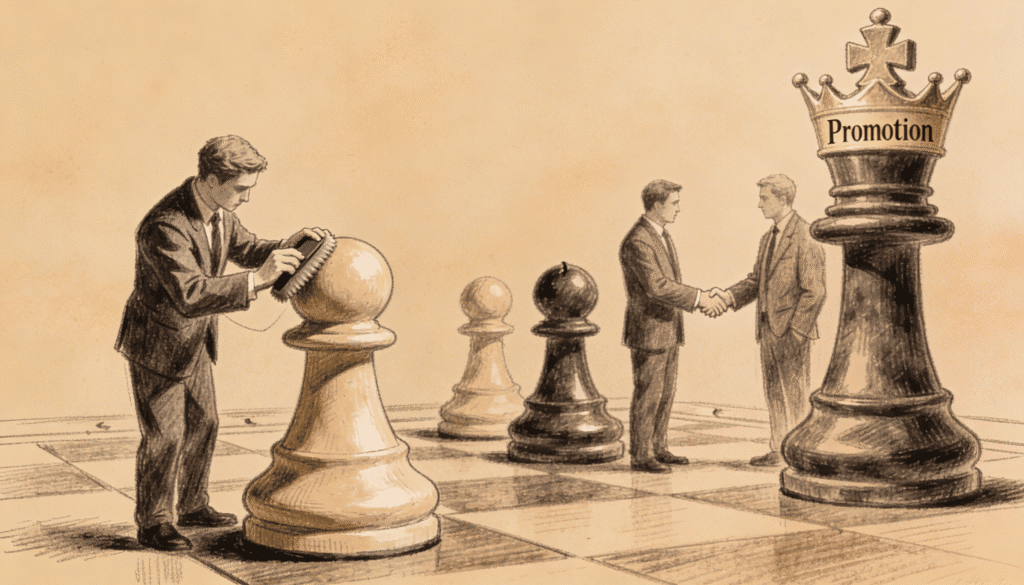
The Promotion Paradox- Why Doing Your Job Well Isn't Enough to Win (Chess Lense)

The Promotion Paradox: Why Doing Your Job Well Isn’t Enough to Win (Chess Lense)

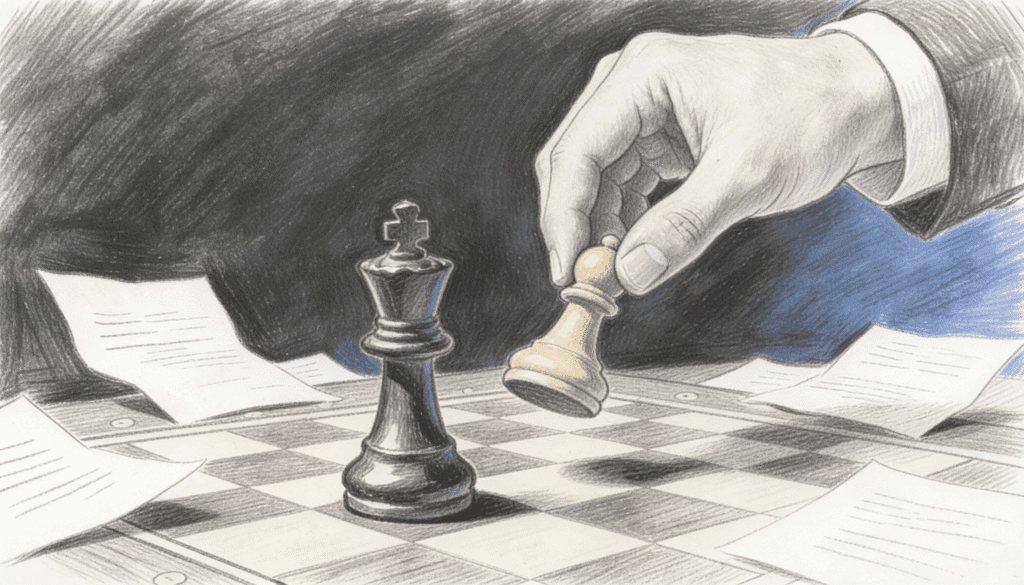
The board is set. Two players sit across from each other, identical pieces arranged in perfect symmetry. One will win, one will lose. But here’s the twist that separates chess from almost every other competition: winning isn’t about having better pieces. Both sides start with exactly the same army. Victory belongs to whoever understands that […]

The Promotion Paradox: Why Doing Your Job Well Isn’t Enough to Win (Chess Lense) Read More »
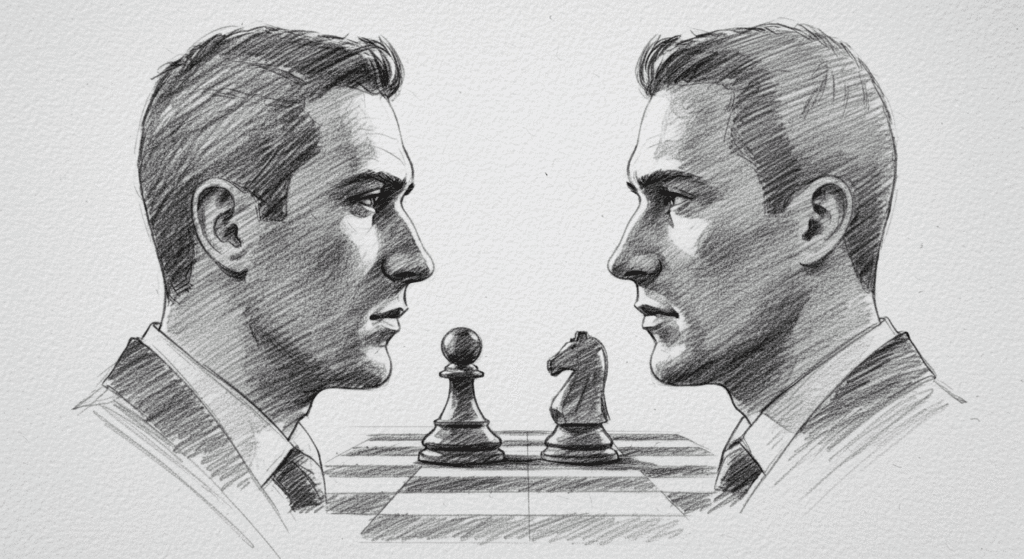
How Playing a War Game Can Make You a More Empathetic Person (Chess Lens)

The idea sounds backwards at first. A game designed to simulate medieval warfare, where the entire objective is to corner an enemy king, somehow transforms players into more understanding human beings. Yet anyone who has spent serious time at the chessboard knows this strange truth. The game that teaches you to plot your opponent’s downfall

How Playing a War Game Can Make You a More Empathetic Person (Chess Lens) Read More »

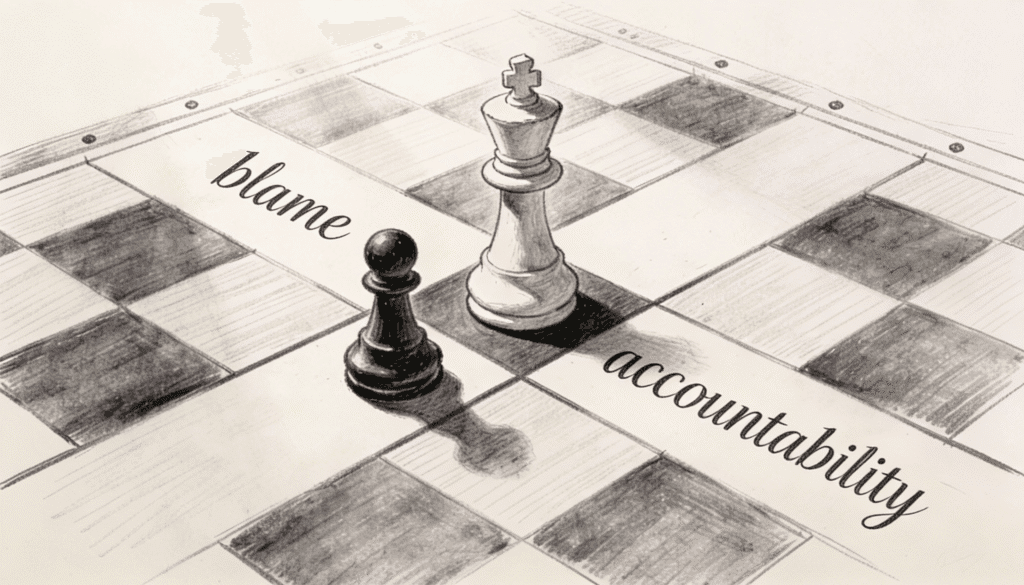
How Chess Cures the “Victim Mentality” by Forcing Radical Accountability

The board doesn’t care about your excuses. When a chess player loses their queen to a fork, there’s no sympathetic referee to call. No replay booth to overturn the blunder. The piece is gone, and the player must reckon with what remains. This brutal simplicity makes chess one of life’s most effective teachers of personal

How Chess Cures the “Victim Mentality” by Forcing Radical Accountability Read More »

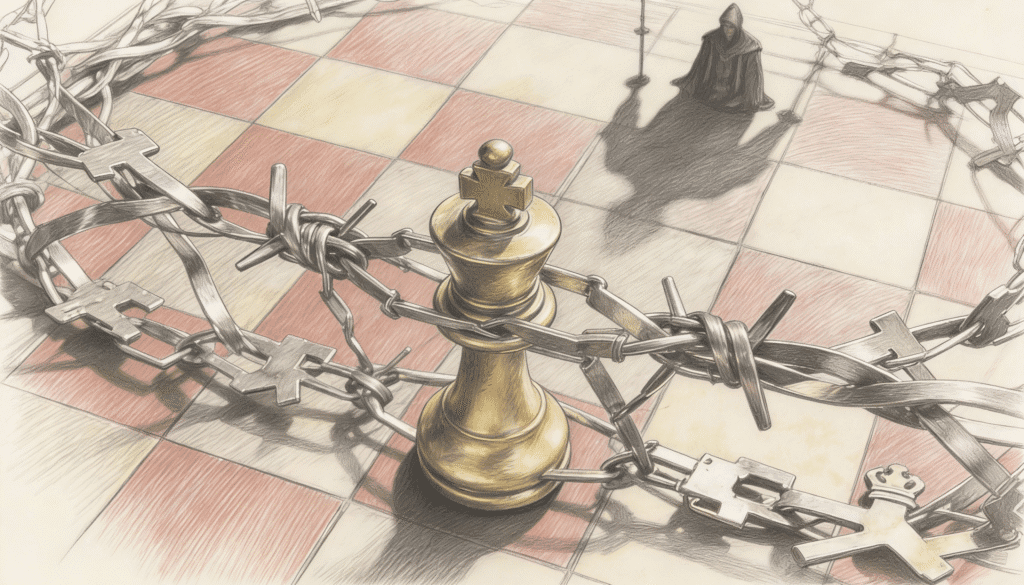
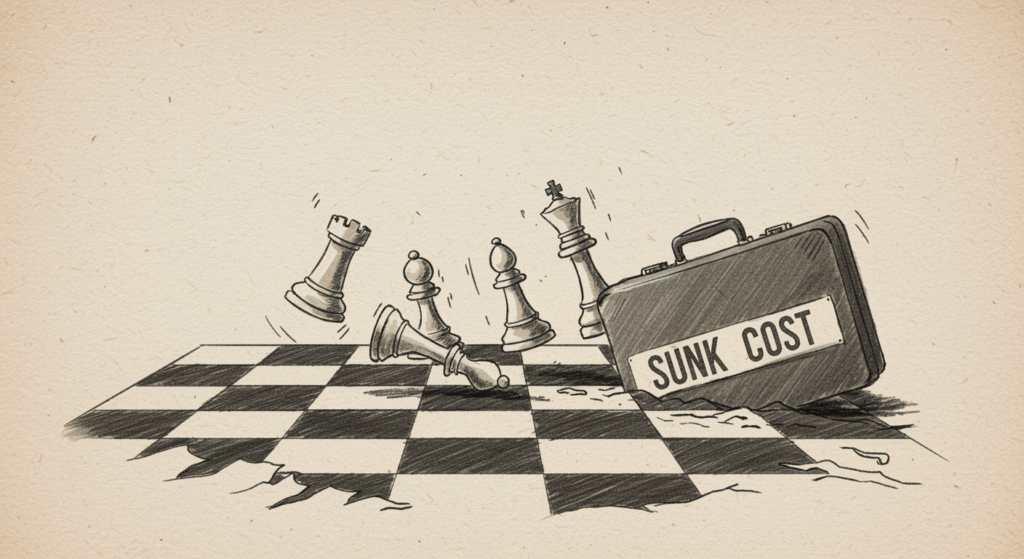
The “Sunk Cost” Solution: Learning to Let Go of Losing Projects via Chess

The queen hangs undefended on the board. Three moves ago, she was perfectly positioned. Two moves ago, things started looking suspicious. One move ago, alarm bells rang. But the player stares at the board, calculating elaborate escape routes, sacrificing pawns to create a corridor, twisting the position into increasingly complex knots. All to save a

The “Sunk Cost” Solution: Learning to Let Go of Losing Projects via Chess Read More »